
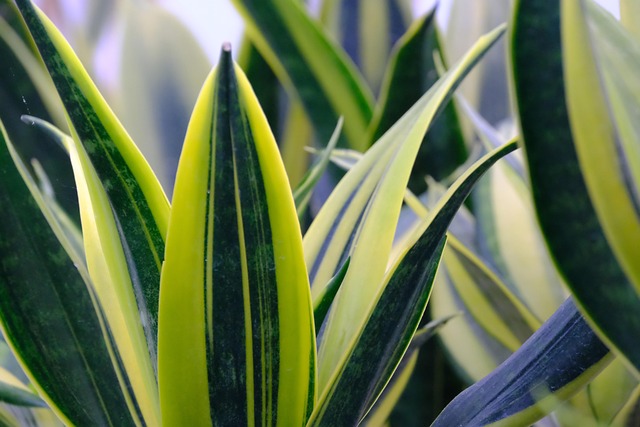
The Immortal Houseplant: A Complete Guide to Planting Snake Plant
In the world of indoor gardening, few plants command as much respect and popularity as the Snake Plant. Known for its architectural, upright leaves and its legendary “hard to kill” reputation, this plant is a staple in homes, offices, and modern interior designs. Whether you know it as “Mother-in-Law’s Tongue,” the Sansevieria snake plant, or by its modern scientific name Dracaena trifasciata, this succulent is a powerhouse of resilience and beauty.
However, despite its reputation for being indestructible, thriving requires more than just neglect. To get those vibrant, sword-like leaves standing tall, one must understand its roots, its thirst for water, and its specific growth cycles.
Below is a comprehensive guide presented in a Question-and-Answer format, covering over 2000 words of essential knowledge about this botanical icon.
Q: What is the history and origin of the Snake Plant?
The history of the Snake Plant is as durable as the plant itself. Native to tropical West Africa (specifically Nigeria to the Congo), this plant has been part of human cultivation for centuries, but not always for decoration.
Historically, the plant was prized for its utility. The stiff, vertical leaves contain strong, durable plant fibers. Indigenous populations used these fibers to create bowstrings, leading to one of its older common names: “Viper’s Bowstring Hemp.” Unlike other fiber plants that require processing, the fibers of the snake plant are strong right out of the leaf.
It was introduced to Europe and subsequently the Americas in the 18th century. It quickly became a parlor favorite during the Victorian era because it was one of the few plants that could survive the poor light and coal-smoke-filled air of industrial homes. Its ability to filter air—later confirmed by NASA studies—has kept it relevant through the decades.
Q: Is it a Sansevieria or Dracaena? What is the scientific name?
This is a point of confusion for many gardeners. For over 200 years, this plant was botanically classified under the genus Sansevieria. If you go to a nursery today, the tag will likely still read Sansevieria snake plant or Sansevieria trifasciata.
However, in 2017, the botanical world underwent a massive shift based on molecular phylogenetic studies (DNA testing). Scientists discovered that Sansevieria was genetically intertwined with the genus Dracaena. Consequently, the genus Sansevieria was eliminated, and the plants were reclassified.
The correct, up-to-date scientific name is Dracaena trifasciata.
- Dracaena: Meaning “female dragon.”
- Trifasciata: Meaning “three bundles” or “three bands,” referring to the horizontal banding patterns on the leaves.
While science has moved on, the name Sansevieria is so deeply embedded in the horticultural industry that the two names are used interchangeably.
Q: How do I choose the right pot and soil for planting snake plant?
Planting snake plant correctly begins with the foundation: the soil and the pot. Because Dracaena trifasciata is a semi-succulent, it is highly susceptible to root rot.
1. The Pot:
The material of the pot matters. Terracotta (unnglazed clay) is the absolute best choice for snake plants. Terracotta is porous, allowing water to evaporate through the walls of the pot, which helps prevent the soil from staying soggy.
- Size: Do not choose a pot that is too large. Snake plants prefer to be root-bound. If the pot is too big, the excess soil will hold too much water, leading to rot. A pot that is only 1-2 inches wider than the root ball is ideal.
- Drainage: Never plant a snake plant in a pot without drainage holes.
2. The Soil:
Do not use standard garden soil or generic potting soil, as these retain too much moisture. You need a mix that drains rapidly.
- Recipe: A commercial cactus or succulent mix is perfect. If you want to mix your own, combine one part standard potting soil with one part perlite or coarse sand. The goal is a gritty, loose mixture that water flows through quickly.
Q: How to propagate Snake Plant using a cutting?
One of the most satisfying aspects of owning this plant is how easy it is to clone. Propagation via cutting is a popular method, though it requires patience. There are two main ways to do this: water propagation and soil propagation.
Method 1: Water Propagation
- The Cut: Select a healthy, mature leaf. Using a sterilized knife or sharp scissors, cut the leaf off near the soil line. You can then cut this long leaf into smaller 2-3 inch segments.
- The Callous: This is a crucial step. Let the cutting sit out on a counter for 2-3 days until the cut end dries and forms a callous. This prevents the leaf from rotting when submerged.
- Orientation: You must keep the cutting right-side up (the end that was closer to the roots must go in the water). If you plant it upside down, it will not grow.
- Submerge: Place the bottom of the cuttings in a jar of water (only about an inch deep). Change the water every few days to keep it fresh.
- Wait: Roots will appear in 4-8 weeks. Pups (baby plants) will follow.
Method 2: Soil Propagation
- Follow the same cutting and callousing process as above.
- Dip the calloused end in rooting hormone (optional but speeds up growth).
- Stick the cuttings directly into moist succulent soil.
- Keep the soil slightly moist (not soggy) until roots establish.
Note on Variegation: If you propagate a variegated variety (like Dracaena trifasciata ‘Laurentii’ with yellow edges) via leaf cutting, the baby plant will usually revert to the solid green form. To keep the yellow stripes, you must propagate by division (separating the roots), not by leaf cuttings.
Q: How often should I water my Snake Plant?
Watering is the number one cause of death for Dracaena trifasciata. These plants are built for drought. They store water in their thick, fleshy leaves and thick rhizomes (underground stems).
The Rule of Thumb:
Allow the soil to dry out completely between waterings.
1. Summer/Spring (Growing Season):
Water roughly every 2-3 weeks. When you do water, water deeply. Pour water until it runs out the drainage holes (the “soak and dry” method). discard any excess water in the saucer.
2. Winter (Dormancy):
In winter, the plant’s metabolism slows down, and it uses very little resources. You might only need to water once every 6 to 8 weeks. If your home is cool, you can go even longer.
How to tell if you are overwatering:
If the leaves turn yellow and feel mushy or squishy at the base, the plant is rotting. Stop watering immediately.
How to tell if you are underwatering:
If the leaves look wrinkled or shriveled, the plant is dehydrated.
Q: What determines the growth rate of the plant?
The growth rate of a Sansevieria snake plant is generally slow to moderate, but it is heavily influenced by light exposure.
- Low Light: Snake plants are famous for surviving in dark corners, bathrooms, and offices with no windows. However, in these conditions, growth will be nearly stagnant. The plant will survive, but it won’t produce new leaves quickly.
- Bright Light: If you want your plant to grow fast and produce “pups” (baby plants), place it in bright, indirect light. They can even tolerate some direct morning sun. In these conditions, the plant has the energy to expand its root system and push up new shoots.
On average, a healthy plant in good light might produce 2-4 new leaves or one new pup per growing season. In low light, you might see zero new growth for a year.
Q: What is the best time to keep outdoor?
While we treat them as indoor plants, Dracaena trifasciata loves the outdoors during the warm months. However, they are tropical plants and cannot survive a freeze.
The Temperature Threshold:
You can move your snake plant outdoors when night-time temperatures are consistently above 50°F (10°C). Below this temperature, the plant can suffer cold damage, leading to scarring or mushy leaves.
The Best Season:
Late Spring to Early Autumn is the ideal window.
The Acclimatization Process:
Do not take a plant that has been sitting in a dim living room and put it directly into the blazing noon sun. It will sunburn (leaves will turn white/bleached).
- Week 1: Place the plant in a fully shaded outdoor area (like a covered porch).
- Week 2: Move it to a spot that gets partial shade or gentle morning sun.
- Maintenance: Remember that outdoor plants dry out faster. You will need to check the soil for water needs more frequently than when it is indoors.
Bringing it Back In:
Before the first frost of autumn (when nights drop below 50°F), bring the plant back inside. Debug the plant first by wiping the leaves and checking the soil to ensure you aren’t bringing garden pests into your home.
Q: Does the Snake Plant really purify the air?
Yes, and it does so in a unique way.
Most plants undergo photosynthesis during the day—taking in carbon dioxide and releasing oxygen. Dracaena trifasciata, however, performs a specific type of photosynthesis called Crassulacean Acid Metabolism (CAM).
This allows the plant to open its pores (stomata) at night to minimize water loss. As a result, the Snake Plant releases oxygen and absorbs CO2 at night. This makes it the perfect bedroom plant, as it oxygenates your space while you sleep. NASA’s Clean Air Study also listed it as effective in removing toxins like benzene, formaldehyde, trichloroethylene, and xylene from the air.
Q: What are the different varieties of Dracaena trifasciata?
When planting snake plant, you aren’t limited to just one look. There is a massive variety in the family.
- Dracaena trifasciata ‘Laurentii’: The most popular variety. Tall, green leaves with distinct yellow margins.
- Dracaena trifasciata ‘Zeylanica’: The classic wild form. Dark green leaves with lighter horizontal bands. No yellow edges.
- Dracaena trifasciata ‘Moonshine’: A stunning cultivar with pale, silvery-green leaves. It looks almost white in bright light.
- Dracaena angolensis (formerly Sansevieria cylindrica): Instead of flat leaves, this plant has round, spear-like leaves that grow like spikes from the ground.
- Dracaena ‘Hahnii’ (Bird’s Nest): A dwarf variety that grows in a low rosette, rarely exceeding 6-8 inches in height.
Q: How do I divide a Snake Plant?
As your plant matures, the pot may become misshapen or even crack because the rhizomes (roots) are pushing so hard against the sides. This means it is time to divide. This is the fastest way to get new plants.
- Unpot: Remove the entire plant from its pot.
- Inspect: You will see thick, orange/white roots (rhizomes) connecting the leafy clumps.
- Separate: Use a sharp, sterilized knife or saw (yes, they are tough) to cut through the rhizome connecting the mother plant to the pup. Ensure the pup has its own roots attached.
- Repot: Plant the divisions into their own pots with fresh succulent soil.
- Care: Water lightly and keep in indirect light. Since they already have roots, the recovery time is much faster than a leaf cutting.
Q: Why are my Snake Plant leaves falling over?
This is a common complaint. Tall leaves can sometimes flop over.
- Low Light: If the plant is in deep shade, the leaves grow tall and skinny seeking light (etiolation). They become too weak to support their own weight.
- Overwatering: If the roots are rotting, they can no longer anchor the heavy leaves, causing them to topple.
- Incorrect Potting: If the soil is too fluffy or the plant is not planted deep enough, it lacks stability.
Q: Does the Snake Plant flower?
Yes, but it is a rare event indoors. A Sansevieria snake plant usually flowers only when it is mildly stressed (often by being root-bound).
The flowers appear on a tall, thin stalk. They are greenish-white, look like small fireworks, and are incredibly fragrant, smelling like vanilla or lilies. The flowers produce a sticky nectar. If your plant blooms, enjoy it—it’s a sign of a mature plant, though some gardeners cut the stalk so the plant focuses energy on leaf growth.
Q: Is the Snake Plant toxic to pets?
Yes. While it purifies air for humans, it is dangerous for four-legged friends. The plant contains saponins, which act as a natural insecticide and fungicide for the plant. If ingested by cats or dogs, it can cause nausea, vomiting, and diarrhea. The bitter taste usually stops pets from eating a lot of it, but it is best to keep it elevated or out of reach.
Q: What is the best fertilizer for Snake Plants?
Because they are slow growers, they are light feeders. You do not need to fertilize often.
- When: Fertilize only during the growing season (Spring and Summer). Do not fertilize in Winter.
- What: Use a balanced, all-purpose liquid houseplant fertilizer (10-10-10) or a cactus fertilizer.
- Dosage: Dilute the fertilizer to half-strength. Too much fertilizer can burn the roots and cause the leaf tips to turn brown.
Q: Can I grow Snake Plants in water permanently?
Surprisingly, yes. While they rot easily in wet soil (due to pathogens and lack of oxygen), snake plants can adapt to growing in pure water (hydroponics).
- To do this, place a division or cleaned rhizome in a vase.
- Ensure only the roots/bottom of the rhizome touches the water. The leaves should stay dry.
- Add a few drops of hydroponic fertilizer occasionally.
- Change the water regularly to prevent algae growth.
- Note that the plant will grow much slower in water than in soil.
Q: Conclusion: Why should you plant a Snake Plant today?
The Dracaena trifasciata is more than just a starter plant for beginners; it is a lifelong companion. Its ability to adapt to almost any environment—from the darkest office corner to a sun-drenched patio—makes it unique in the plant kingdom.
By understanding the simple requirements of proper planting snake plant techniques—using loose soil, mastering the cutting process, and respecting its low water needs—you ensure that this architectural beauty will thrive for years. Whether you are looking to purify your air, add a modern touch to your decor, or simply want a plant that forgives you when you forget it, the Sansevieria snake plant is the ultimate choice.
Remember to watch the temperature if you are wondering What is the best time to keep outdoor, and always respect the drying cycle of the soil. With these tips in hand, you are ready to grow one of history’s most resilient botanicals.