
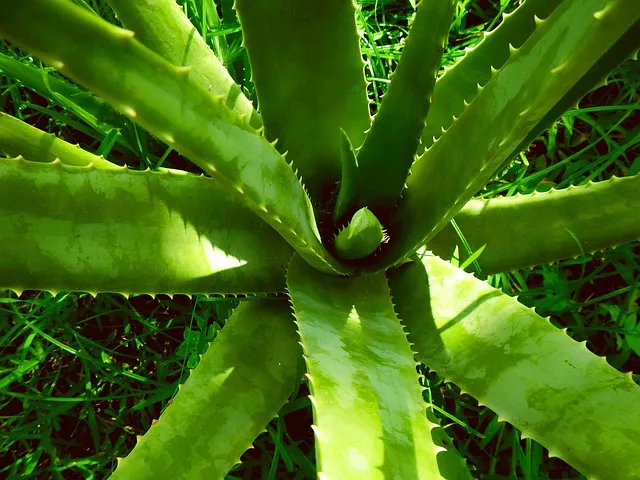
Q1: How often should I water my Aloe vera?
When learning how to care for houseplants, the most common question people ask is, “How often should I water my Aloe vera?” Because this amazing succulent comes from hot, dry, and arid desert environments, its thick green leaves are naturally designed to store water for long periods. This natural ability to hold onto moisture means that you do not need to water your plant very often.
To maintain a truly sustainable and healthy watering routine, you must follow the simple “soak and dry” method. During the warm spring and hot summer months, when the plant is actively growing, you should water it deeply about once every two to three weeks. You must wait until the soil is completely, one hundred percent dry before giving it more water. If you stick your finger two inches into the dirt and it feels even slightly damp, wait a few more days. In the cold winter months, the plant goes to sleep and enters a dormant phase. During this time, it needs even less water, and you might only need to water it once every four to six weeks. Using an organic cactus soil mix will help the water drain out quickly, which perfectly mimics its native desert home. Remember, these plants thrive on neglect, so it is always much safer to give them too little water rather than too much. Following this easy schedule ensures your beautiful plant stays healthy all year long.
Q2: Does Aloe vera need direct sunlight?
Another incredibly important question for new plant owners is, “Does Aloe vera need direct sunlight to grow properly?” While these plants absolutely love bright environments, placing them in harsh, direct sunlight for too many hours can actually cause serious damage. In their natural outdoor habitats, they often grow under the protective shade of larger rocks or trees. For the best indoor care, your plant needs plenty of bright, indirect sunlight to thrive. The perfect, most sustainable spot in your home is right next to a window that faces south or west, where the light is very bright but gently filtered through the glass or a light curtain. If you suddenly place your indoor plant outside under the blazing hot summer sun, the delicate green leaves will get a severe sunburn. You will notice the rich green color fading into an unhealthy pale yellow or reddish-brown. If you want to move your organic plant outdoors during the warm months, you must do it very slowly. First, put it in a fully shaded area for a few days, and then gradually introduce it to gentle morning sunlight. This careful, step-by-step process helps the plant build up its tolerance without getting shocked or burned. On the other hand, if your plant is placed in a very dark room with no light, its leaves will become weak, thin, and will start bending downward. Bright, indirect light is the ultimate key to a perfectly healthy succulent.
Q3: How do I know if my Aloe is overwatered?
Keeping your succulent alive means you must constantly ask, “How do I know if my Aloe is overwatered?” Giving a desert plant too much water is the fastest and most common way to accidentally kill it. Because the plant’s natural function is to hoard water inside its fleshy leaves, sitting in wet, soggy soil literally drowns the root system. The very first and most obvious sign of an overwatered plant is the physical texture of its leaves. A perfectly healthy leaf should feel very firm, stiff, and plump. If you gently squeeze the leaves and they feel completely soft, mushy, or squishy like a deflated water balloon, your plant is definitely suffering from too much water. Additionally, the visual color of the leaves will drastically change. Instead of a vibrant, bright green, a drowning plant will develop pale, translucent, or sickly yellow leaves. If the situation is very bad, the base of the stem near the dirt might turn a dark, rotting brown or black color. This means the plant has a dangerous condition called root rot. To fix this and promote sustainable growth, you must act fast. Take the plant out of its wet pot immediately, cut away any slimy or black roots with clean scissors, and leave the plant out to dry for a day. Finally, repot it in fresh, dry, organic cactus soil. Never let your plant sit in a saucer full of standing water.
Q4: Can I use Aloe vera gel directly from the plant?
Because of its famous healing properties, people frequently ask, “Can I use Aloe vera gel directly from the plant?” The answer is an enthusiastic yes! Using fresh, raw gel straight from your own houseplant is a completely natural and highly effective way to treat your skin. In fact, harvesting your own gel is a wonderful, sustainable alternative to buying expensive, plastic-bottled lotions from the store that are filled with artificial chemicals and preservatives. Using your own organic plant guarantees that you are getting the purest medicine possible. To safely harvest the gel, choose a thick, mature leaf from the very bottom outside edge of the plant. Use a sharp, clean knife to cut the leaf close to the base. Once cut, you will see a yellowish liquid dripping out of the end. This yellow sap is called aloin, and it can cause mild skin irritation or stomach upset. You must stand the leaf upright in a glass for about ten to fifteen minutes to let this yellow sap drain out completely. After the aloin has drained, wash the leaf with clean water, cut off the spiky edges, and carefully slice away the top green skin. This will reveal the clear, soothing, sticky gel inside. You can apply this pure gel directly onto painful sunburns, minor kitchen burns, dry skin patches, or annoying bug bites for instant, cooling relief. It is nature’s ultimate first aid kit growing right in your home.
Q5: How do I repot Aloe vera?
As your beautiful succulent continues to grow larger over the years, you will eventually need to ask, “How do I repot Aloe vera?” Repotting is a very important part of long-term plant care because it gives the crowded roots more space to stretch and provides the plant with fresh nutrients. You generally only need to do this every two to three years, making it a very low-maintenance and sustainable gardening practice. When choosing a new container, always pick a heavy, porous terracotta clay pot. Clay pots are wonderfully natural because they allow the soil to breathe and dry out much faster, which perfectly prevents dangerous root rot. Ensure the new pot is only one or two inches wider than the old one, and it absolutely must have large drainage holes at the very bottom. When you are ready to repot, gently tilt the plant sideways and carefully slide it out. Use your fingers to lightly brush the old, tired dirt away from the fragile roots. Place the plant in the center of its new clay pot and fill the empty spaces with a fresh, fast-draining, organic cactus and succulent soil mix. Do not pack the dirt down too tightly. The most critical step in repotting is what you do afterward: absolutely nothing. You must wait for at least one full week before watering the newly repotted plant. This dry period allows any broken roots to naturally heal and prevents deadly fungal infections.
Q6: Why are my Aloe leaves turning brown?
It can be very scary to look at your favorite houseplant and wonder, “Why are my Aloe leaves turning brown?” Fortunately, there are a few simple, completely natural explanations for this color change, and they are usually very easy to fix. The absolute most common reason for brown leaves is an extreme reaction to harsh, direct sunlight. If you recently moved your indoor plant outside or placed it directly onto a blazing hot, unshaded windowsill, the plant is likely suffering from a severe sunburn. The brown spots usually appear as dry, dull, discolored patches on the side of the plant facing the sun. Moving the plant to a spot with bright but filtered light will stop the burning. Another major reason for brown, crispy leaf tips is severe underwatering. While they love dry soil, they still require a good, thorough drink eventually. If you have completely forgotten to water your plant for several months and the leaves feel thin and hard, it is desperately thirsty. Provide a deep watering to restore its organic health. Lastly, these desert natives absolutely hate freezing temperatures. A sudden cold shock from sitting next to a drafty, freezing winter window will quickly cause the green leaves to turn an ugly brownish-red color. By keeping your plant comfortably warm, maintaining a sustainable watering schedule, and protecting it from blazing hot sunbeams, you will easily help its vibrant, lush green color return in no time.
Q7: How do I propagate Aloe vera?
If you want to grow more plants for free to share with your friends, you will definitely want to know, “How do I propagate Aloe vera?” Propagating this specific type of succulent is incredibly simple, beautifully natural, and highly rewarding. Instead of growing from seeds, a healthy, mature mother plant will automatically do the hard work for you by growing tiny baby plants around its base. These miniature baby plants are affectionately known as “pups” or “offsets.” Waiting for pups to grow is a highly sustainable way to expand your indoor garden without spending any money. You should wait until the small pups have grown to be about one-fifth the size of the large mother plant and have developed a few roots of their own. To safely propagate them, gently remove the entire plant cluster from the dirt. Brush away the organic soil so you can clearly see exactly where the tiny pup is attached to the main stem. Use a clean, sharp knife to cut the pup away, making sure it keeps some of its own roots attached. You must then place the freshly cut baby plant in a warm, dry spot out of direct sunlight for two to three days. This crucial waiting period allows the wet cut to dry and form a protective, hard callous. Finally, plant the baby pup in a small pot with fresh cactus soil, wait a week to water, and watch it grow.
Q8: Is Aloe vera safe for pets?
For any animal lover who also enjoys keeping a lush indoor garden, the single most critical question to ask is, “Is Aloe vera safe for pets?” Unfortunately, the direct and honest answer is no. While this plant is an incredible natural medicine for human skin, it is generally considered quite toxic and entirely unsafe for both cats and dogs. Even though the clear inner gel is mostly harmless, the severe danger lies within the thick, outer green skin of the leaves. Just underneath that tough green rind is a milky, yellow sap known as aloin. This sap contains specific, naturally occurring chemical compounds called saponins and anthraquinones. If your curious puppy or playful kitten chews on the leaves and swallows these dangerous organic compounds, it will cause very severe stomach pain and gastrointestinal distress. The most common symptoms of poisoning in pets include heavy, repeated vomiting, severe diarrhea, a noticeable loss of appetite, and extreme tiredness or lethargy. In very bad cases, the continuous diarrhea can lead to highly dangerous dehydration. If you firmly believe that your beloved pet has taken a bite out of your plant, you should immediately remove the plant and quickly contact your local veterinarian for professional medical advice. To maintain a sustainable and perfectly safe living environment for everyone in your home, it is always best to place these toxic houseplants on high, unreachable shelves far completely away from your pets.